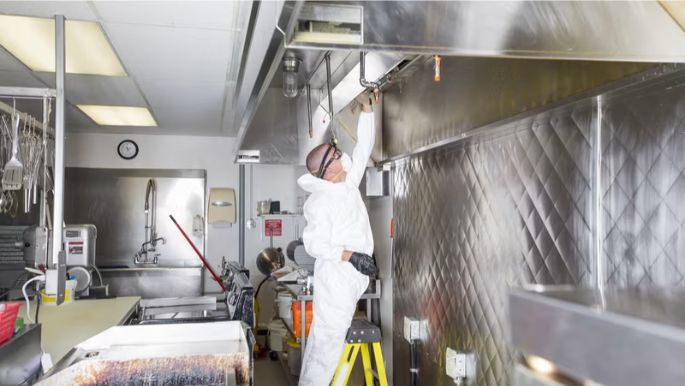

Restaurant Rodent Control: Pest Control Tips from Expert

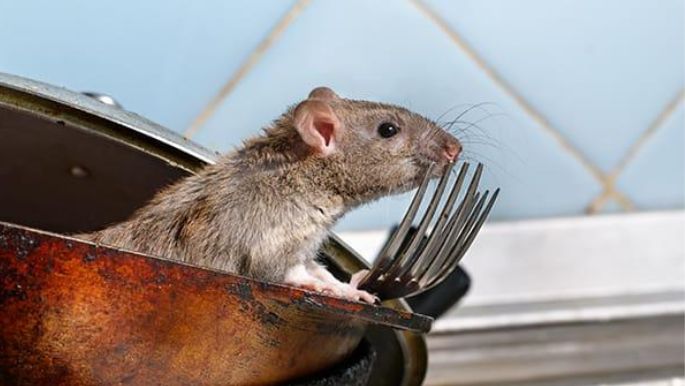
Spotting a single rat inside a commercial kitchen is every F&B owner’s worst nightmare. Rodents are active foragers that thrive anywhere food, warmth, and shelter are available. In the food service industry, a rodent issue is never just an isolated nuisance, it is an immediate threat to your operations, public health compliance, and brand survival. Learn the mistake from Ikea Swedish Restaurant for non hygiene complaint.
Understanding the early warning signs of rat activity and implementing structural proofing with a licensed pest control service is essential to keeping your food business compliant and rat-free.
Why Rodents Are an F&B Owner’s Worst Nightmare
Rodent infestations carry severe, immediate consequences for commercial food establishments:
- Pertaining to Property & Safety Hazards: Rats must constantly gnaw to wear down their fast-growing incisors. They frequently chew through structural timber, plastic storage containers, gas hoses, and electrical wiring, creating serious fire hazards and equipment breakdowns.
- Severe Food Contamination: Rats carry dangerous pathogens, including Salmonella, Leptospira (leptospirosis), and E. coli. They contaminate raw ingredients and food prep surfaces through their droppings, urine, and hair.
- Heavy Regulatory Fines & Closures: Local councils (PBT) and the Ministry of Health (KKM) maintain a strict zero-tolerance policy for rodent activity (check out the requirements here). Finding rat droppings can result in immediate compound fines, Grade C/D demotions, or mandatory temporary shutdowns under Section 11 of the Food Act 1983.
- Permanent Brand Damage: In today’s digital era, a customer posting a video of a rat scurrying across your dining floor or ceiling can go viral within hours, permanently destroying years of built-up brand trust. (I’m sure you do not wish to happen)
Early Warning Signs of Rat Activity in Your Kitchen
Rats are nocturnal and adept at hiding. By the time you see a live rat during operating hours, an infestation is likely already established. Watch for these early indicators:
1. Droppings and Grease Smudge Trails
- Rat Droppings: Roof rat droppings are dark, capsule-shaped, and roughly 12mm long, while Norway (brown) rat droppings are larger with blunted ends. They are commonly found behind chillers, under dry storage racks, and near trash bins.
- Grease Smudges: Rats have poor eyesight and navigate along walls using oily fur for guidance. Look for dark, greasy smudge marks along baseboards, lower wall tiles, and overhead utility pipes.
2. Structural Damage and Nesting Signs
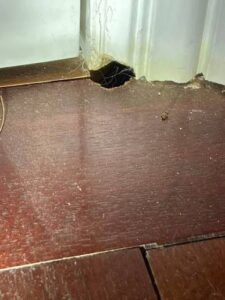
- Gnaw Marks: Inspect bulk food boxes, plastic tubs, flour sacks, and door frames for fresh teeth marks.
- Nesting Materials: Finding shredded cardboard, paper, or insulation tucked behind motor housings or inside quiet corners signals active nesting.
3. Odors and Noises

- Musk Odors: A persistent, stale, ammonia-like smell indicates heavy urine accumulation from a hidden rodent colony.
- Ceiling Noises: Scurrying or scratching sounds coming from drop ceilings or wall cavities during prep hours indicate roof rat movement.
Common Entry Points in Commercial Kitchens
Rats can squeeze through surprisingly small openings—a young rat needs a gap of just 12mm to gain entry. Key vulnerability points include:
- Unsealed Back Doors & Loading Docks: Open delivery doors during morning stock arrivals offer a direct pathway inside.
- Utility Wall Penetrations: Gaps around gas pipes, water lines, and electrical conduits entering from exterior walls or neighbouring shop lots.
- Drop Ceilings & Roof Vents: Roof rats often enter through unmeshed roof vents or air conditioning ducts and travel along ceiling cavities.
- Wooden Delivery Crates: Produce crates and bulk goods containers brought directly into dry storage can unknowingly transport hiding pests inside.
Structural Proofing and Physical Prevention
Before relying on extermination, you must physically block rodents from entering your kitchen space:
- Install Heavy-Duty Door Sweeps: Attach durable rubber or aluminium brush door sweeps to the bottom of all exterior kitchen and rear loading doors.
- Seal Utility Pipe Gaps: Fill openings around utility lines and drainage pipes using a combination of stainless-steel mesh and industrial sealant (rats can easily chew through standard expanding foam).
- Cover Vents and Floor Traps: Install stainless-steel wire mesh screens over open air vents and ensure all floor drain traps remain fitted with secure grates.
- Elevate Dry Storage: Store bulk food containers and ingredients on metal shelving units elevated at least 15cm off the floor and away from walls.
Safe Rodent Management Solutions by Ridpest
Eliminating rodents inside an active commercial kitchen requires extreme caution. Off-the-shelf rat poisons or loose chemical baits pose severe contamination risks if placed near open prep tables or food storage.
As a leading pest control service provider over 41 years experience across Kuala Lumpur and Selangor, Ridpest applies specialized, food-grade protocols designed specifically for the F&B industry. Worth to mention we are MyHIJAU certified, ESG and food grade certified.
| Treatment Method | Operational Focus & Safety Benefits |
| Tamper-Resistant Bait Stations | Lockable, heavy-duty stations placed strictly along exterior perimeters to intercept rodents before they enter. |
| Non-Toxic Mechanical Trapping | High-grade snap traps and glue boards installed inside hidden interior zones, avoiding all chemical hazards near food prep areas. |
| Food Safety Certification Program | Comprehensive, audit-ready rodent control procedures that comply fully with KKM, PBT, and HACCP standards. |
Specialized Commercial Extermination Protocols
- Risk Assessment: Our certified technicians conduct thorough inspections to identify exact species, harbourage zones, and entry pathways.
- Targeted Extermination: Applying professional rat pest control and rodent exterminator methods tailored to your kitchen layout, ensuring zero disruption to daily service.
- Audit-Ready Documentation: Every visit includes detailed service reports, pest trend logs, and structural recommendations required for health inspection compliance.
Protect Your Restaurant’s Reputation and Hygiene Grade
Don’t wait for a rat sighting to threaten your health audit standing or ruin your hard-earned reputation. Implementing proactive structural proofing and partnering with a trusted rodent control specialist safeguards your kitchen, staff, and customers.
Don’t wait for a surprise KKM health inspection to flag your premises. Protect your restaurant’s reputation, pass health audits effortlessly, and keep your kitchen 100% pest-free with Ridpest.
Ready to secure your restaurant’s hygiene? Get a Quote from Ridpest today for thorough inspection!