

Who Should Pay for Pest Control? Tenant or Landlord

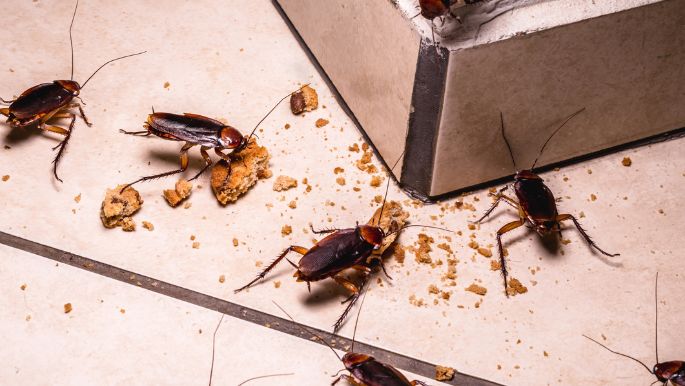
Cockroach Infestation in a Mont Kiara Rental: Should the Tenant or Landlord Pay?
A tenant living in a high-rise condominium in Mont Kiara recently contacted Ridpest after discovering a severe cockroach infestation inside their rented unit.
According to the tenant, cockroaches were appearing almost every night after they moved in particularly around the kitchen cabinets, under the sink, and near floor drainage areas. Despite maintaining strict housekeeping habits and disposing of food rubbish daily, the infestation continued to worsen.
The tenant believed the infestation was pre-existing or that the pests were invading through the building’s shared drainage system, prompting a request for the landlord to cover professional pest control services. However, the landlord disagreed, arguing that pest management and indoor cleanliness fall under the tenant’s daily responsibility.
This dispute highlights an essential question faced by many renters across Malaysia: Who is legally or financially responsible for pest control, the tenant or the landlord?
Here’s the answer for you.
The Tenant Refers to a Singapore Termite Case
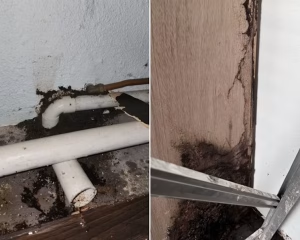
During the dispute, the tenant cited a high-profile court case in Singapore where condominium owners successfully sued their condominium management (MCST) over subterranean termite damage.
Reported by Channel NewsAsia (CNA), subterranean termites traveled from the soil beneath the condominium’s common property and damaged interior structures of a residential unit. The court ruled that the condominium management failed to take reasonable preventive measures to maintain the common property soil, awarding the unit owners S$10,978 in repair costs alongside legal fees.
The Mont Kiara tenant argued that their cockroach problem could involve a similar issue if the insects were migrating from common drains, service risers, or shared rubbish chutes. However, Singapore court rulings do not automatically apply to residential tenancy disputes in Malaysia.
Does Malaysia Have a Specific Law for Rental Pest Control?
Malaysia currently does not have a dedicated residential tenancy law that automatically assigns pest control costs to either party in every scenario. (The proposed Residential Tenancy Act remains under legislative discussion).
As a result, determining responsibility requires evaluating specific factors:
| Party Likely Responsible | Key Trigger Factors & Scenarios |
| Landlord Responsibility |
– Infestation pre-existed before move-in. – Pests enter via structural pipe defects or cracked walls before move-in. – Outbreak affects multiple building units. – Issue stems from built-in furniture or kitchen cabinets. |
| Tenant Responsibility |
– Poor housekeeping, unwashed dishes, or food left uncovered. – Infestation develops months into tenancy with no structural defects. – Report early signs of pests and take timely action. |
| JMB / Condominium Management | – Pests originate from shared trash chutes, common risers, or central drainage lines. |
1. Reviewing the Tenancy Agreement
The primary legal document governing any rental property is the tenancy agreement. Some well-drafted contracts include explicit clauses detailing who pays for general pest control, deep cleaning, or structural maintenance. When the agreement is silent on pest control, responsibility depends on when the infestation started and what caused it.
2. When Could the Landlord Be Responsible?
A landlord is generally expected to cover or arrange treatment when:
- Pre-Existing Infestation: Cockroach eggs (oothecae) or droppings are discovered behind built-in kitchen cabinets shortly after the tenant moves in.
- Structural Defects: Cockroaches enter through cracked walls, defective plumbing, or broken floor traps controlled by the owner.
- Building-Wide Problem: The infestation affects multiple units across the same floor or stack.
- Contractual Commitments: The owner previously agreed to provide routine maintenance or pre-tenancy pest treatment.
3. When Could the Tenant Be Responsible?
A tenant may be financially liable if living habits inside the unit created favorable breeding conditions, such as:
- Leaving unwashed dishes or open food containers out overnight.
- Accumulating food grease around stoves and under appliances.
- Allowing clutter and unsealed cardboard boxes to accumulate.
- Failing to take action when the infestation was minor, allowing it to become severe.
The Role of the Condominium Management (JMB / MC)
Cockroaches easily travel between high-rise condominium units through shared drainage pipes, electrical service risers, central rubbish chutes, and common corridors.
When multiple residents report cockroach sightings, treating a single unit provides only temporary relief. Both tenant and landlord should contact the Joint Management Body (JMB) or Management Corporation (MC) to confirm whether:
- Other residents in the building have reported similar pest issues.
- Routine pest control treatments are being conducted in common areas.
- Central rubbish rooms and main drainage lines are being sanitized regularly.
- Structural gaps exist in common risers that allow pests to move between floors.
How to Resolve a Rental Pest Control Dispute
Instead of escalating arguments over the bill, tenants and landlords should follow these practical steps:
- Document the Evidence: Take clear photos and videos of cockroach sightings, nesting areas, and droppings. Maintain written communication showing when the issue was first reported.
- Check the Tenancy Agreement: Verify if any clauses cover maintenance, repairs, or pest control.
- Schedule a Professional Inspection: Hire a licensed pest control service technician to inspect the unit. A professional assessment can identify the exact cockroach species (e.g., German vs. American cockroaches), locate nesting harborages, and determine if pests are entering from common areas or internal food sources.
- Consider Cost-Sharing: If the root cause remains uncertain, sharing the initial inspection or treatment cost prevents the infestation from spreading and damaging the property further.
Conclusion: Resolving the Cockroach Dispute
There is no single rule that applies to every Malaysian rental property. A landlord is typically responsible if the infestation was pre-existing or caused by structural defects, while a tenant is responsible if poor sanitation caused the problem. When pests migrate from shared building facilities, the condominium management must intervene.
Ultimately, fair resolution relies on tenancy contract terms, clear evidence, and an unbiased inspection report from a certified cockroach exterminator.
Don’t wait for a tenant-landlord dispute to escalate while pests continue to spread. Protect your property, pass health audits, and keep your premises 100% pest-free with Ridpest.
Ready to secure your house/room from cockroaches and pest? Schedule an inspection with Ridpest to stay away from scary cockroaches, mosquitoes and other pest!