

MOH Pest Control Requirements for F&B Outlets in Malaysia


MOH Food Premises Pest Control Requirements: A Complete F&B Guide
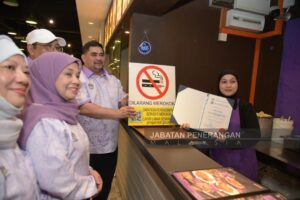
Operating a food and beverage (F&B) business in Malaysia requires strict adherence to health and safety laws. The Ministry of Health Malaysia (MOH / KKM) enforces comprehensive pest control standards under the Food Act 1983 and the Food Hygiene Regulations 2009.
During unannounced premises inspections, the PBT health officers evaluate physical cleanliness and verify that active pest prevention programs are in place. Failing an inspection due to pest activity can lead to heavy fines, demerit points, or immediate closure under Section 11 of the Food Act 1983.
This guide breaks down MOH inspection criteria, common legal penalties, and how partnering with a licensed pest control service like Ridpest keeps your restaurant audit-ready 365 days a year.
Legal Framework: Food Act 1983 & Food Hygiene Regulations 2009
Malaysia’s food safety laws empower health officers to inspect kitchens, review service documentation, and penalize non-compliant premises across Kuala Lumpur, Selangor, and nationwide.
Section 13 (Food Premises)
Section 13 prohibits the sale or preparation of food in any premise that is unclean, infested with pests, or structurally unfit for food production.
Regulation 27 (Pest Control)
Under Regulation 27 of the Food Hygiene Regulations 2009, F&B operators must implement effective measures to prevent the entry and harborage of pests. Kitchens and dry store areas must remain entirely free of rodents, cockroaches, flies, and other sources of contamination.
Penalties for Non-Compliance
Failing to maintain proper pest control Malaysia standards carries severe consequences:
- Demerit Points: Accumulated penalty points lead directly to license suspension or revocation.
- Compound Fines: Immediate on-the-spot compounds or court-imposed fines.
- Temporary Closure Orders: Immediate 14-day shutdown under Section 11 until remedial action is verified by KKM officers. (Must learn the mistakes from Ikea Swedish Restaurant)
- Criminal Prosecution: Repeated or severe violations can result in formal charges and imprisonment for responsible business owners.
What KKM Health Inspectors Look For During Audits
Health inspectors systematically evaluate both physical infrastructure and operational records. Understanding these criteria helps your kitchen team maintain daily compliance.
1. Physical Evidence of Pests
Inspectors look for live or dead pests, rat droppings, cockroach egg cases (oothecae), gnaw marks on food boxes, grease trails along walls, or foul odors in enclosed spaces.
2. Structural Entry Points
Unsealed gaps larger than 6mm beneath exterior doors, broken window screens, unsealed utility pipe penetrations, and damaged floor drains allow rodents and insects direct access into prep zones.
3. Food Storage & Waste Discipline
- Food ingredients must be stored at least 15cm off the floor and 30cm away from walls.
- Dry bulk goods must be kept in sealed, food-grade containers using First-In, First-Out (FIFO) stock rotation.
- Trash bins must have tight-fitting foot-pedal lids, plastic liners, and frequent clearance schedules.
4. Required Pest Control Audit Documentation
Auditors require immediate access to your compliance binder. Missing records often trigger automatic audit failures regardless of kitchen cleanliness.
| Required Compliance Document | Operational Details Required |
| Active Pest Control Service Contract | Signed agreement detailing service scope, treatment frequency, and coverage. |
| Operator’s License (PAL/APAL) | Valid license copy from Jabatan Pertanian for the pest control provider. |
| Service Reports & Logs | Detailed reports for every visit (minimum 6 months on-site, 2 years archived). |
| Chemical Safety Data Sheets (SDS) | Documentation confirming all applied chemicals are food-safe and approved. |
| Trend Maps & Sighting Logs | Floor plans showing device locations (ILTs, bait stations) and internal pest logs. |
Key Requirements for an MOH-Compliant Pest Control Program
MOH requires a comprehensive, proactive pest management program rather than occasional chemical spraying.
Licensed Pest Control Operators (PAL/APAL)
All commercial treatments must be conducted by technicians holding valid Pesticide Application License (PAL) or Assistant Pesticide Application License (APAL) credentials from Jabatan Pertanian. Unlicensed operators cannot provide valid legal documentation for KKM audits.
Minimum Treatment Frequency
MOH guidelines require food premises to receive routine treatments at least monthly. High-risk premises such as high-volume central kitchens, open-air venues, or premises with past warnings require fortnightly or weekly visits.
Integrated Pest Management (IPM)
Chemical sprays alone are insufficient for compliance. A complete program relies on:
- Exclusion: Sealing building cracks, installing door sweeps, and fitting mesh screens.
- Sanitation: Eliminating grease buildup, standing water, and organic waste.
- Monitoring: Deploying non-toxic glue boards and insect light traps (ILTs).
- Targeted Treatment: Applying approved, food-safe gel baits and micro-injections.
Frequently Asked Questions (FAQ) About MOH Audits
How often must my restaurant undergo pest control treatments for KKM compliance?
MOH requires regular treatments, typically monthly at minimum. High-risk premises or venues handling raw, open ingredients may require fortnightly or weekly service to maintain zero-pest thresholds.
What happens if pests are found during a KKM inspection?
Finding active pests can result in immediate demerit points, compounds, or temporary closure orders under Section 11 of the Food Act 1983 until remedial action is completed and verified.
Can I handle pest control internally using retail sprays?
No. MOH requires documented service from a licensed pest control service holding valid PAL/APAL certifications. Self-treatment using retail aerosols risks food contamination and fails to provide required audit documentation.
Ensure 100% KKM Compliance with Ridpest
Maintaining MOH compliance requires continuous vigilance, expert inspections, and complete documentation. Partnering with a professional pest control provider like Ridpest with over 41 yeas experience with MyHIJAU certified and ESG complaint ensures your commercial kitchen passes health audits effortlessly while protecting your customer trust.
Don’t wait for a surprise KKM health inspection to flag your premises. Protect your restaurant’s reputation, pass health audits effortlessly, and keep your kitchen 100% pest-free with Ridpest.
Ready to secure your business? Get a Quote from Ridpest today for a fast, hassle-free inspection!